The different discourses of ‘carbon neutrality’ in the UK

There are currently no ‘carbon neutral’ cities in the UK, but many have recently pledged to become so. The release of the IPCC 1.5°C in October 2018 lead to decisions by some UK cities to up their decarbonisation plans. Bristol declared they will be carbon neutral by 2030. Nottingham has gone further, aiming to be the first ‘net-zero’ UK city by 2028. Manchester made a pledge of 2038.

London is aiming to be carbon neutral by 2050, but has specific interim targets as part of the C40 cities group. C40 aims for their cities to develop and begin implementing a climate action plan before the end of 2020, and for a 60% reduction of emissions by 2025.

The C40 group suggest that an emissions neutral city means net zero greenhouse gas emissions from:
– Fuel use in buildings, transport and industry
– The use of grid-supplied energy
– The treatment of waste generated within the city boundary
And minimised emissions occurring outside the city boundary.

Cities not part of this group are able to set their own targets, and therefore their definition of carbon neutral. The term is contentious and often does not have a shared meaning city to city. Stating to become ‘carbon neutral’ can act as a way to conceal the true policies and decarbonisation plans, due to the term’s uncertainty.

The Carbon Neutral Cities Alliance (CNCA) suggest that a carbon neutral future should be with 80-100% less GHG emissions. However, a recent study found the term to be more flexible in the carbon reduction planning documents of the different CNCA cities. The individual city’s ideas of ‘carbon neutrality’ varied, which could create different policy outcomes for different urban areas committing to the same target.

The term carbon neutrality must have a worldwide shared definition if we are to successfully limit warming of the planet to at least 1.5°C by 2030. It must be clear that zero-carbon city futures are those with large scale decarbonisation and renewable energy implementation in buildings, infrastructure and transport networks. There must be a limit to carbon offsetting schemes, and considerations of larger scale energy networks. Citizens must be made aware of their contribution to achieving a zero-carbon goal.

It will be extremely hard to ever become truly carbon neutral, and especially within the timeframes decided by UK cities. It is convenient for cities making these extraordinary pledges to ‘forget’ about components of their societies. Will Bristol and Manchester remember their airports when considering full decarbonisation of transport networks? Granted, any effort to reduce emissions is positive, but it’s vital that claims about a ‘carbon neutral’ future clearly state what they are referring to.
Are small scale carbon offsetting schemes more effective than national projects?

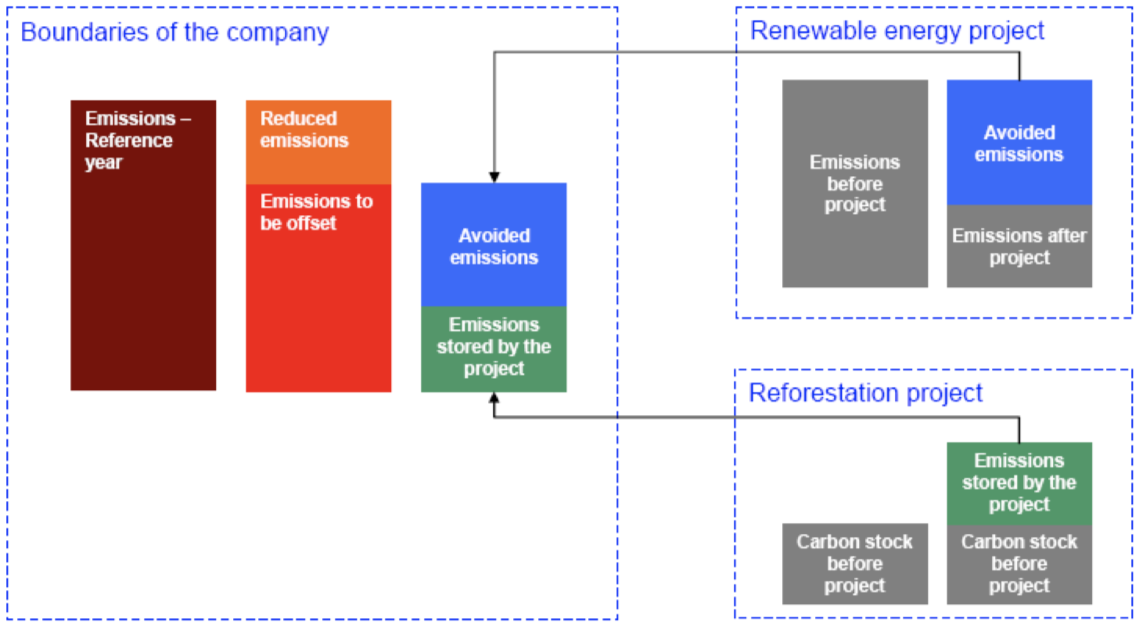
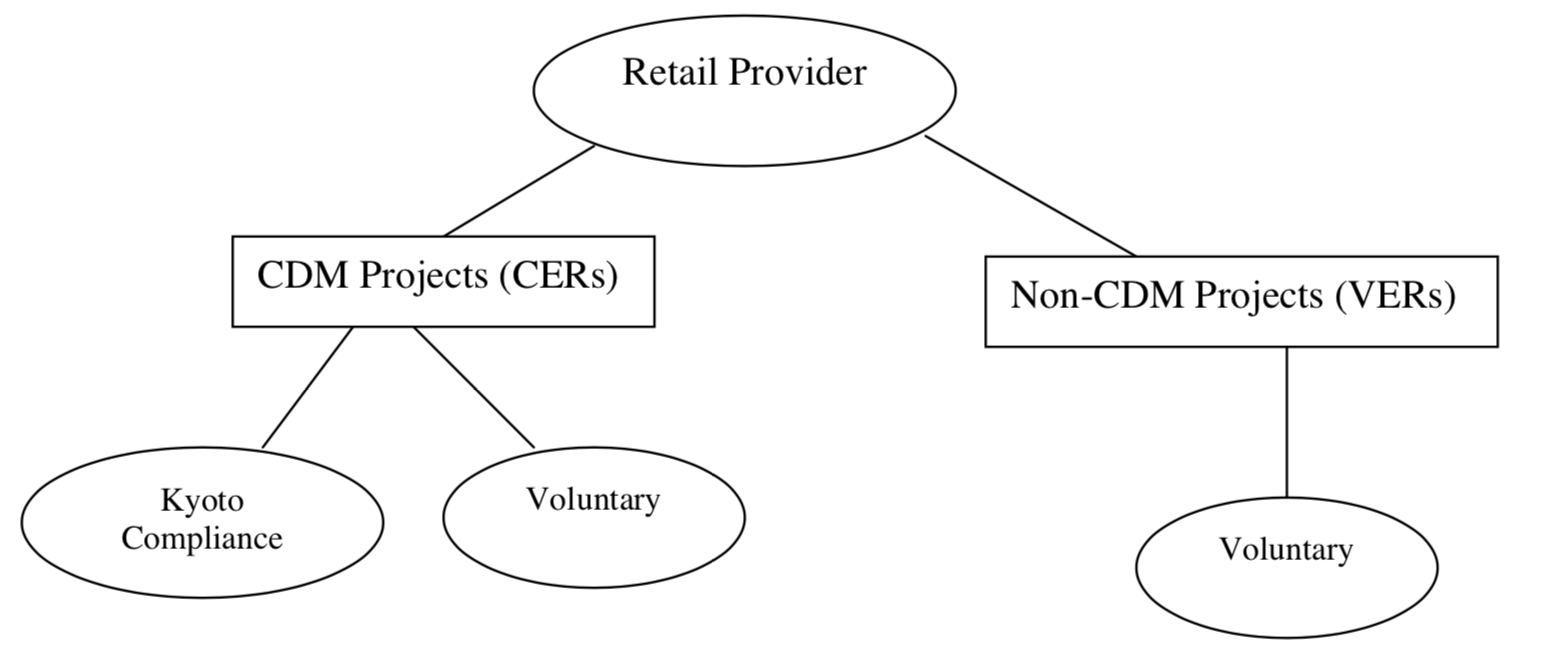
Carbon offsetting is a way of taking responsibility for unavoidable emissions, without stopping all polluting activities. The retail market for purchasing ‘offsets’ has two key components: Certified Emission Reductions (CERs) and Verified Emission Reductions (VERs).

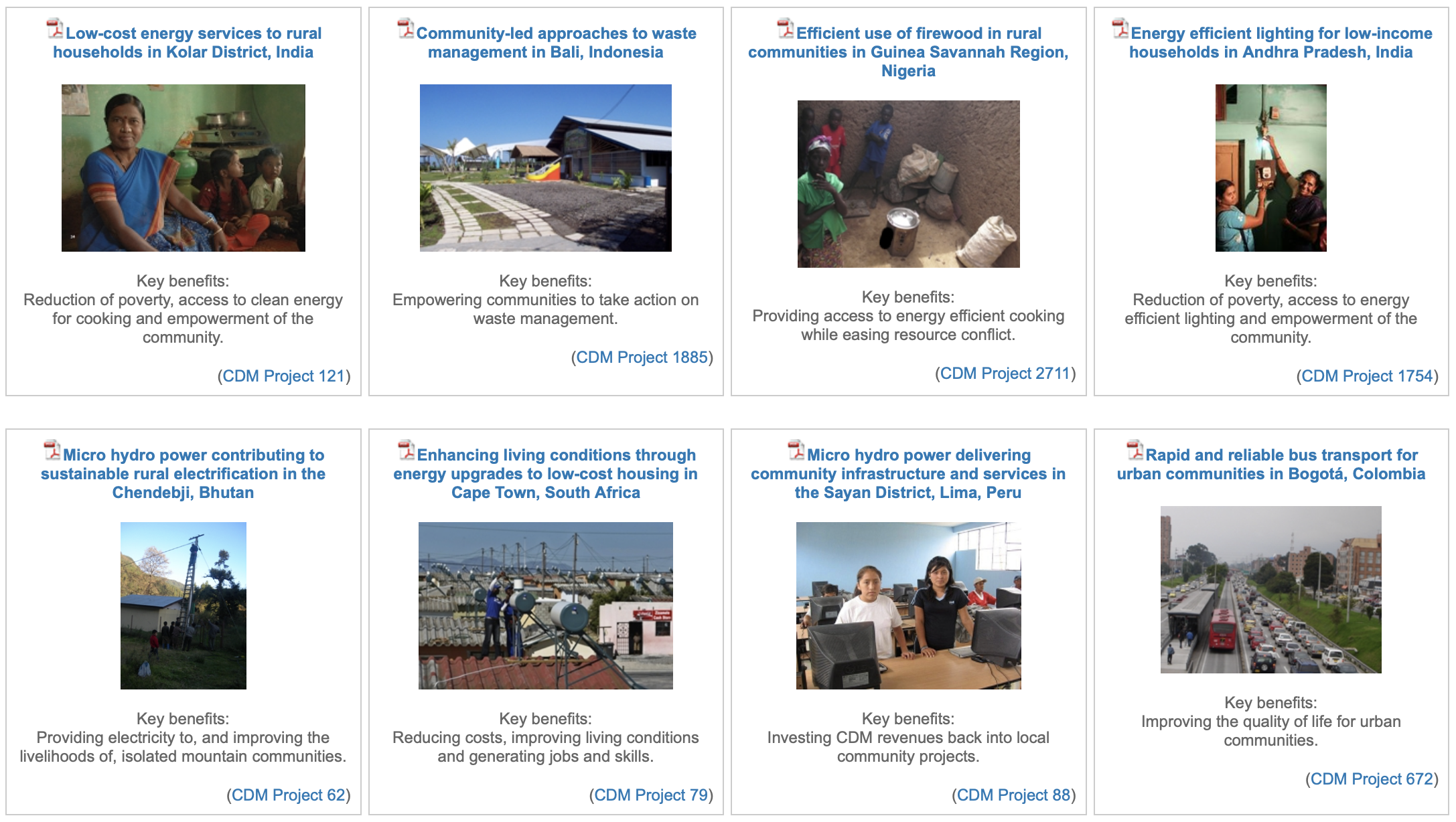
CER credits are earnt by Annex 1 countries implementing sustainable projects in developing countries, allowing A1s to meet emission reduction targets under the Clean Development Mechanism (CDM) (a Kyoto Protocol mechanism). CDM schemes facilitate the construction of low carbon technologies and electricity generation, which must ‘assist in sustainable development’ of developing countries. These credits can only be used to meet Kyoto or the European Union Emissions Trading Scheme (EU ETS) targets.

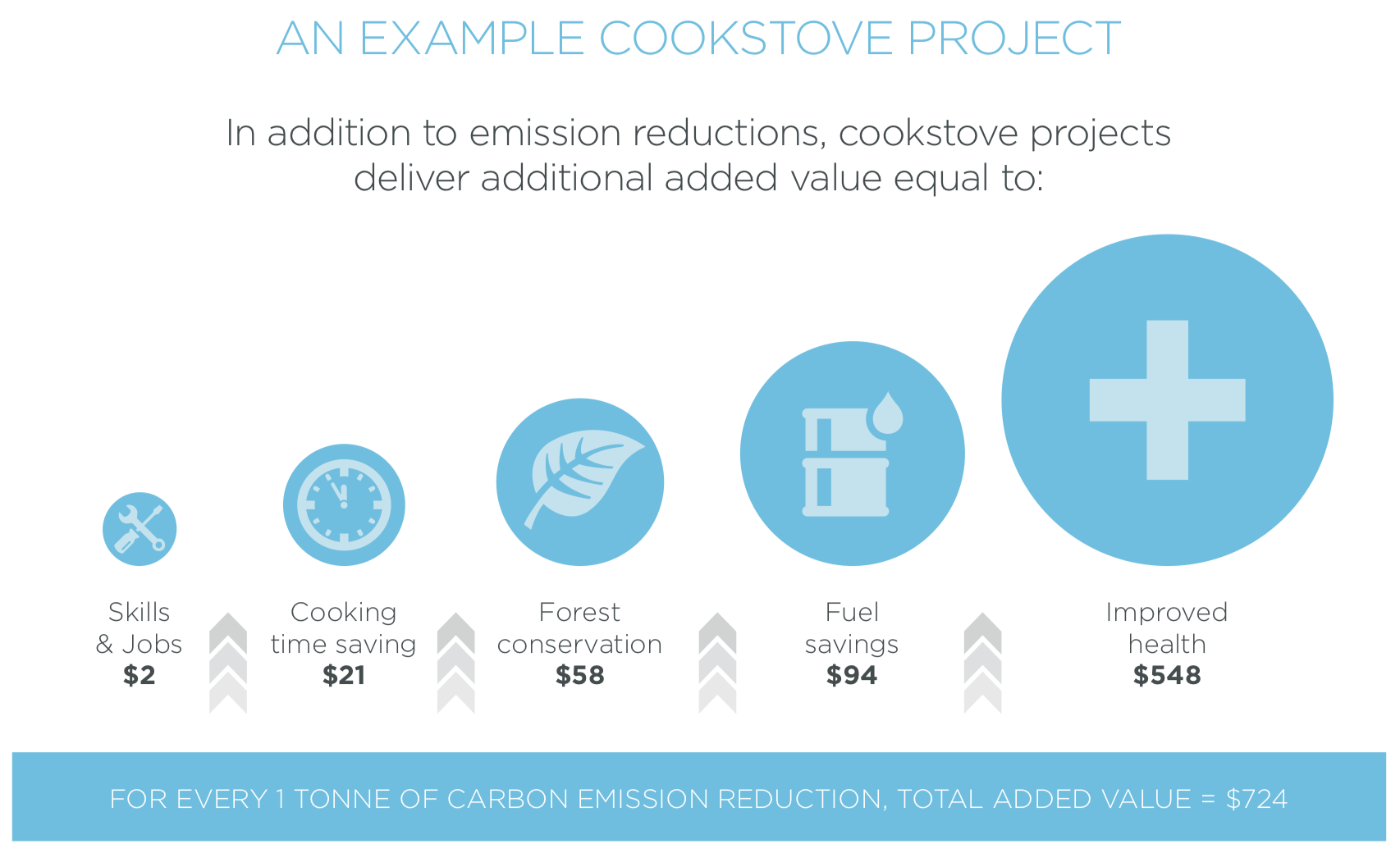
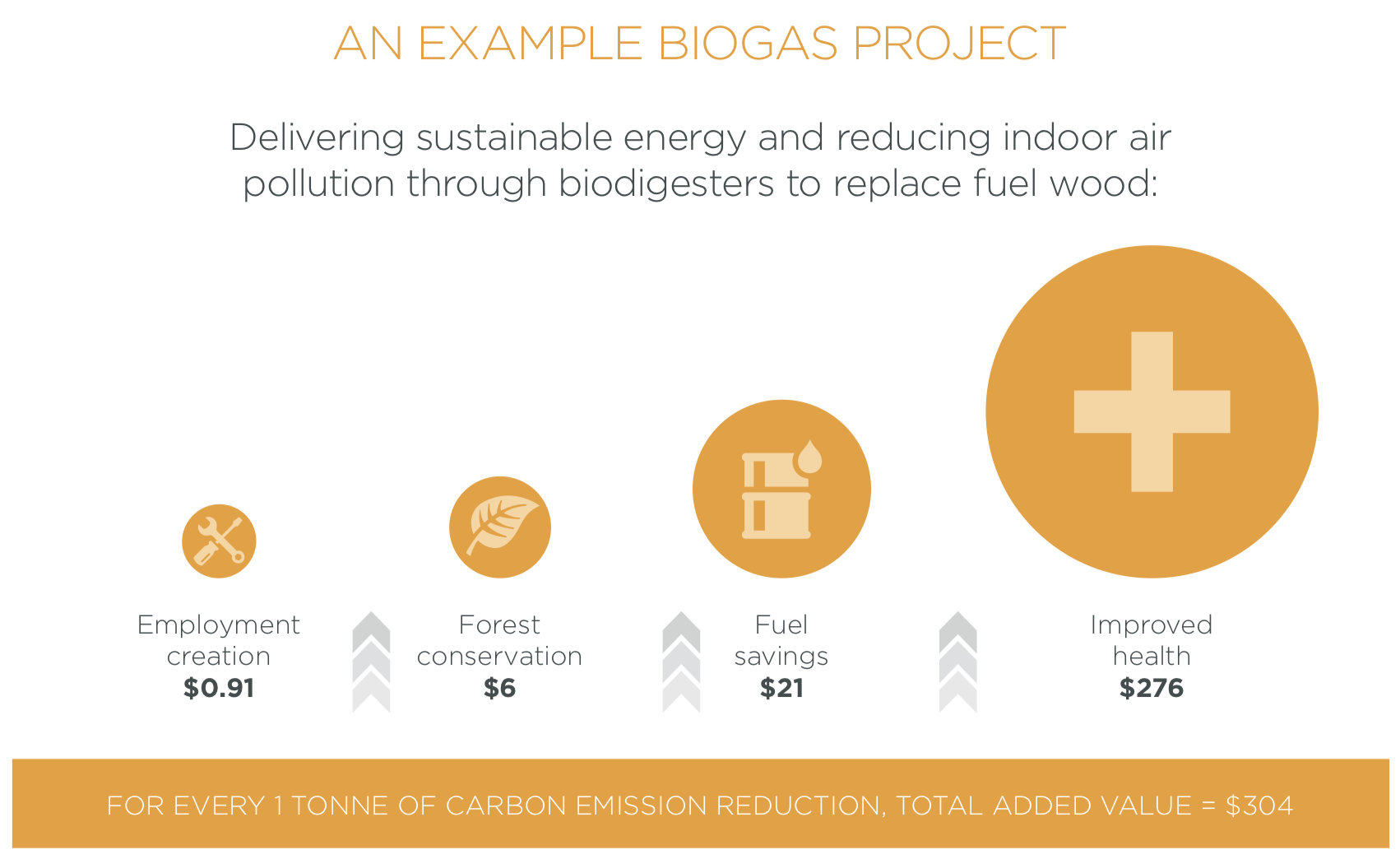
VER credits are generated by non-CDM projects, which are described as voluntary because the credits cannot be used to meet national targets. However, they can be purchased by governments, companies or individuals. The first voluntary offset organisations were established in 1990. There are now hundreds of companies and NGOs where customers can buy VER credits, where money gets invested into local or international forestry, community and renewable energy projects. VERs allow individual citizens outside of state-based emissions-reduction policies at an affordable price, to offset their emissions.

CDM projects and can achieve sustainable development not only through the construction of low-carbon technologies and infrastcutrue, but also in contributions to local employment and the development of other services, directly benefitting communities.

Despite this, CDM has previously been criticised for not meeting sustainable development targets. Most schemes don’t provide benefits to local livelihoods, as ‘small community-based projects are often not economically viable under the CDM’, and are becoming increasingly low-cost and high-volume. There are high costs associated with applying for and implementing projects, due to the specific CDM procedures. Also, the ‘majority of projects are concentrated in large markets, such as India and Brazil, and have virtually bypassed the least developed countries’.

It is understood that small-scale projects are better at delivering successful sustainable development. The CDM Executive Board now has policies to encourage smaller projects, but voluntary offset projects are implementing them at lower costs and can avoid the CDM registration process.

The voluntary offset market has been also been highly criticised. It is considered more ‘informal’ than CDM schemes, as it is a mix of non-governmental, private and small organisations. When organisations were first becoming established, there were concerns over the reliability of such schemes, as their flexibility comes at the cost of potentially reduced credibility and varying quality. A set of standards have recently been developed to tackle these problems. These include the Voluntary Gold Standard (VGS)Voluntary Carbon Standard (VCS) and the Quality Assurance Standard.

So are small scale schemes more effective than national projects?

In terms of the future, yes. The voluntary carbon market companies have been developing new innovative projects and schemes to sell emissions reductions. They are now beginning to integrate their projects to meet broad sustainable development goals and work with policymakers to become more effective. They have contributed greatly to emissions reductions over the years. In 2018, these projects existed in 83 countries and had resulted in 430 million tonnes of emissions reductions generated since 2005. Their flexibility is no longer considered their flaw, due to the strict standards, and allows VER credits to be traded freely between buyers and sellers across the world. Their development has allowed individual citizens to become actively involved in offsetting their emissions, which could be an intrinsic way of reducing global emissions in the future.

Some examples of voluntary carbon offsetting companies:
Mossy Earth
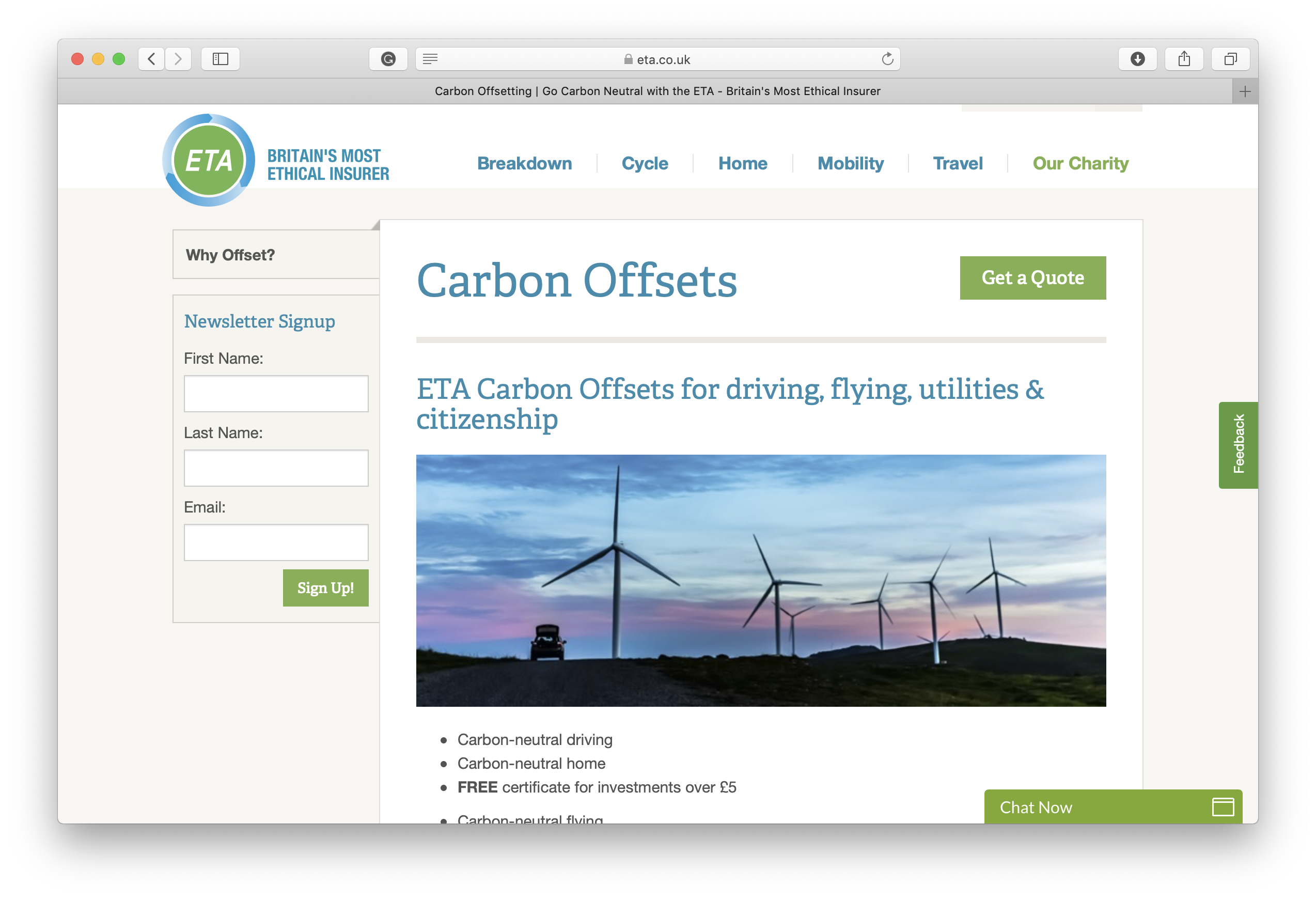
ETA insurance
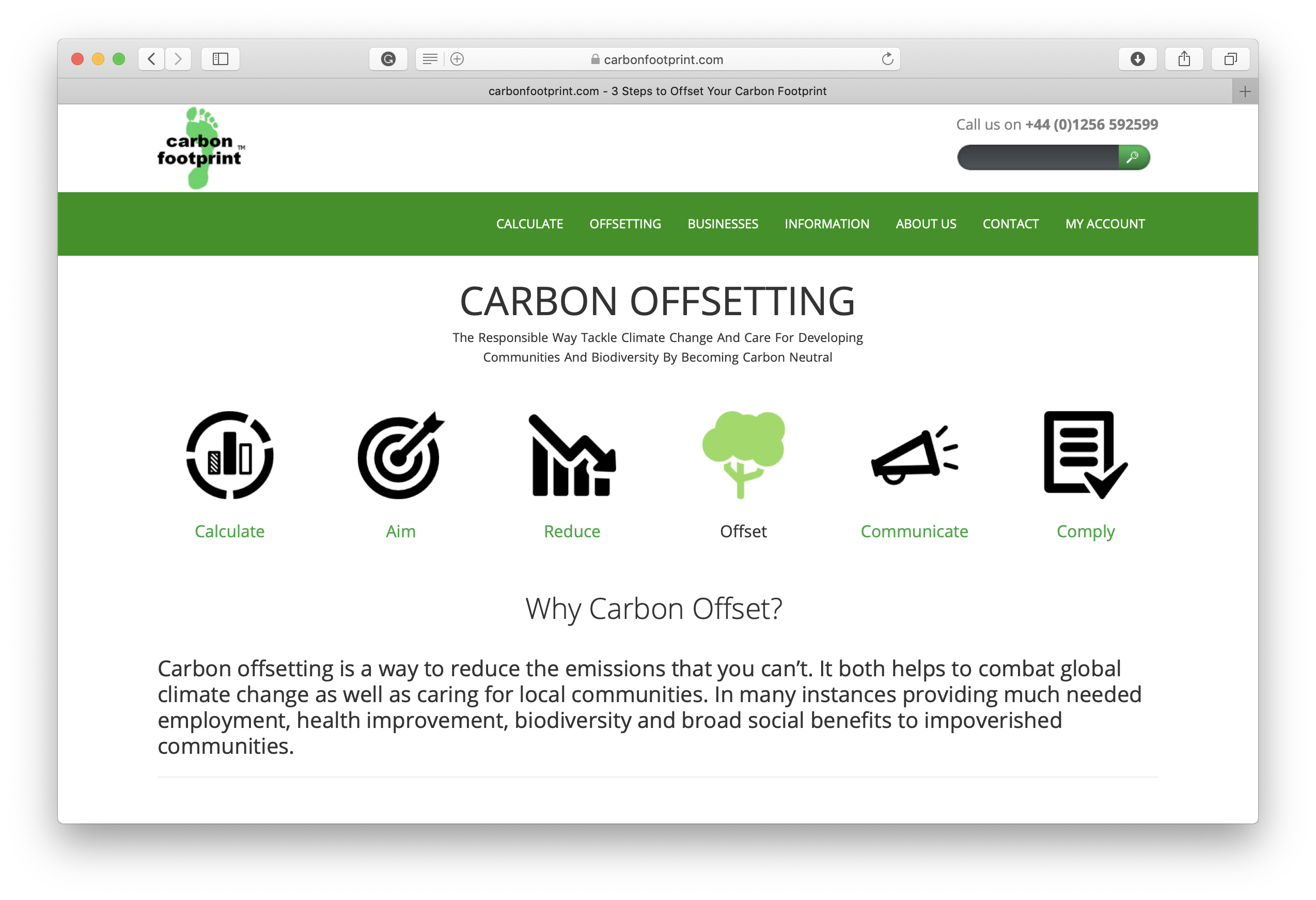
Carbon Footprint

Mossy Earth is an afforestation scheme, with the aims of ‘rewilding’ and restoring natural ecosystems across Europe. My family uses this organisation to offset our carbon emissions! We pay a monthly fee which was calculated from our predicted carbon footprint over a year, and are sent regular updates of the project with images and GPS locations of our trees!

The new wave of young climate activists and why they should be involved in future policymaking

‘Youth’ represents a developmental stage characterised by ‘broadening perspectives and imagination of the future’. Picturing a future with the damaging effects of climate change is making the youth of today want to change how their future will look.

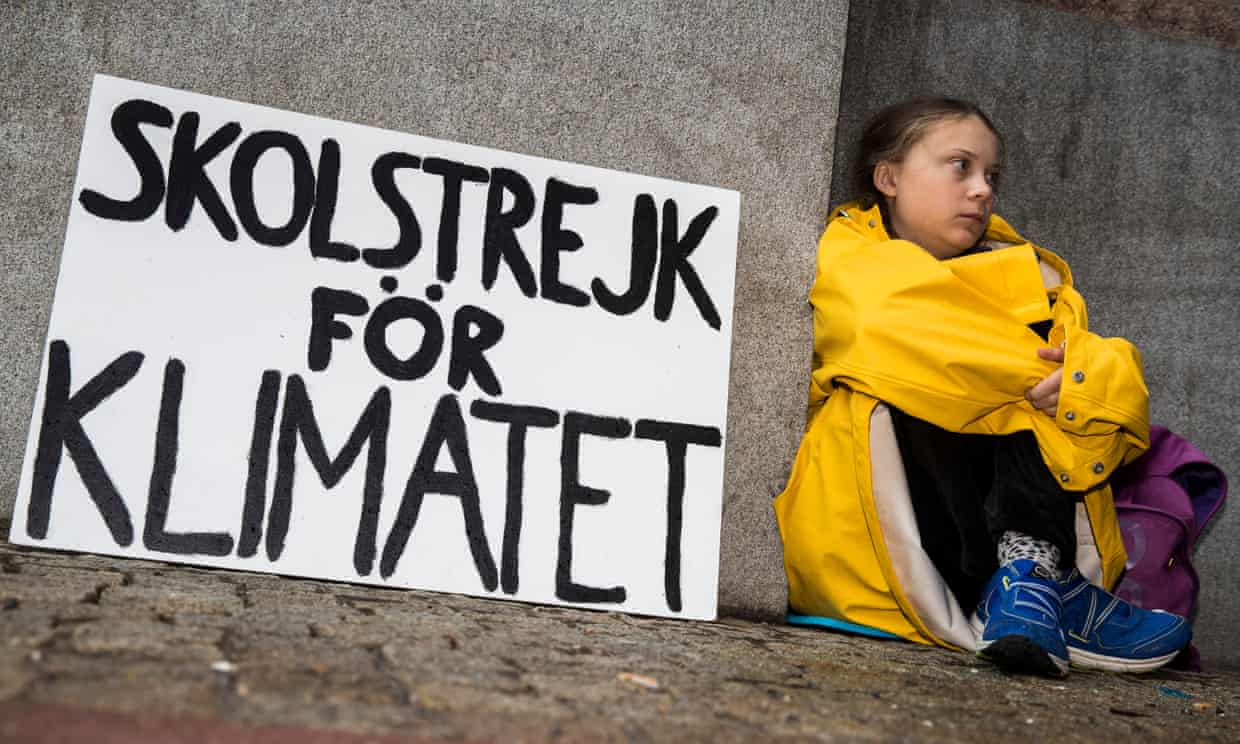
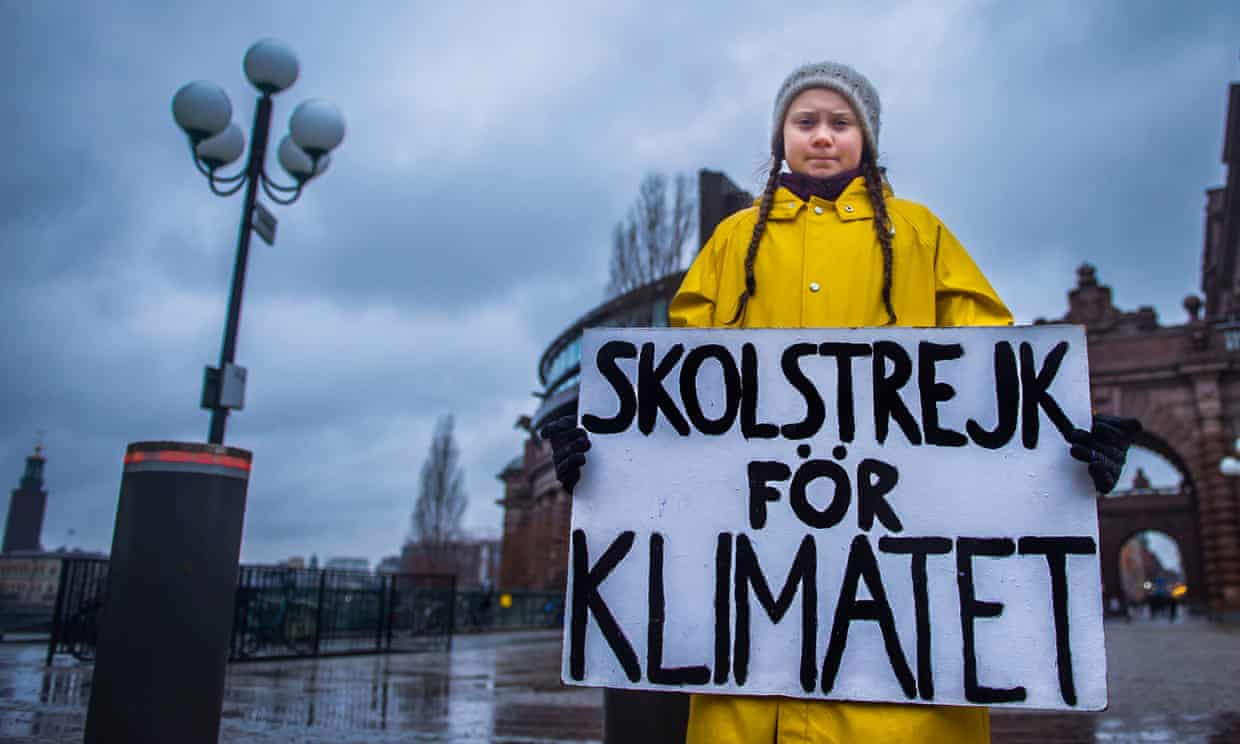
There has been a wave of climate strikes recently, inspired by the actions of Greta Thunberg, a 16 year old from Sweden. In August 2018, Greta began to strike outside parliament buildings in Stockholm, after the hottest summer on record in Sweden, and in the ‘absence of global leadership’. Greta now strikes every Friday alongside thousands of other students, as part of ‘Fridays for Future’, who also agree that it is unfair to live with the consequences of today’s political decisions.

The youth are calling for real sustainable future policies, where the future leaders and citizens of a society are consulted and involved in decision making. Youth have a bigger stake in the future of the planet than the current policymakers and politicians and want to be able to play a part in deciding how their future should look.

It is hard for children to contribute significantly to political change, but this may start to become a thing of the past. In 1992, the UNFCCC identified the youth as an independent stakeholder, then 7 years later gained constituency status as ‘Youth NGOs’. The UN has now set up annual Conferences of Youth, to bring young people passionate about addressing climate change together. In Bonn 2013 there was the first Dialogue on Action for Climate Empowerment, which seeks to ‘reduce the impact of climate change by enabling society to be a part of the solution’. This focuses on climate change education and training, which encourage young people to actively make a difference.

There have been positive movements towards youth inclusivity in policymaking over the last few years, but is this enough?

The youth of today are willing to help in shaping their futures, so why not let them? If organisations such as the UNFCCC wish for youth to remain engaged, they need to make it clear that they are truly being listened to, before those most hopeful of a bright future lose courage in their own efforts. The growth in the strikes seen is extremely positive, but it seems likely that these actions may have very minimal or no influence on future policy. We need a spokesperson for our generation, who is willing to tackle national and international governments – could Greta Thunberg be this person? Let’s hope so.

Note after writing this post:

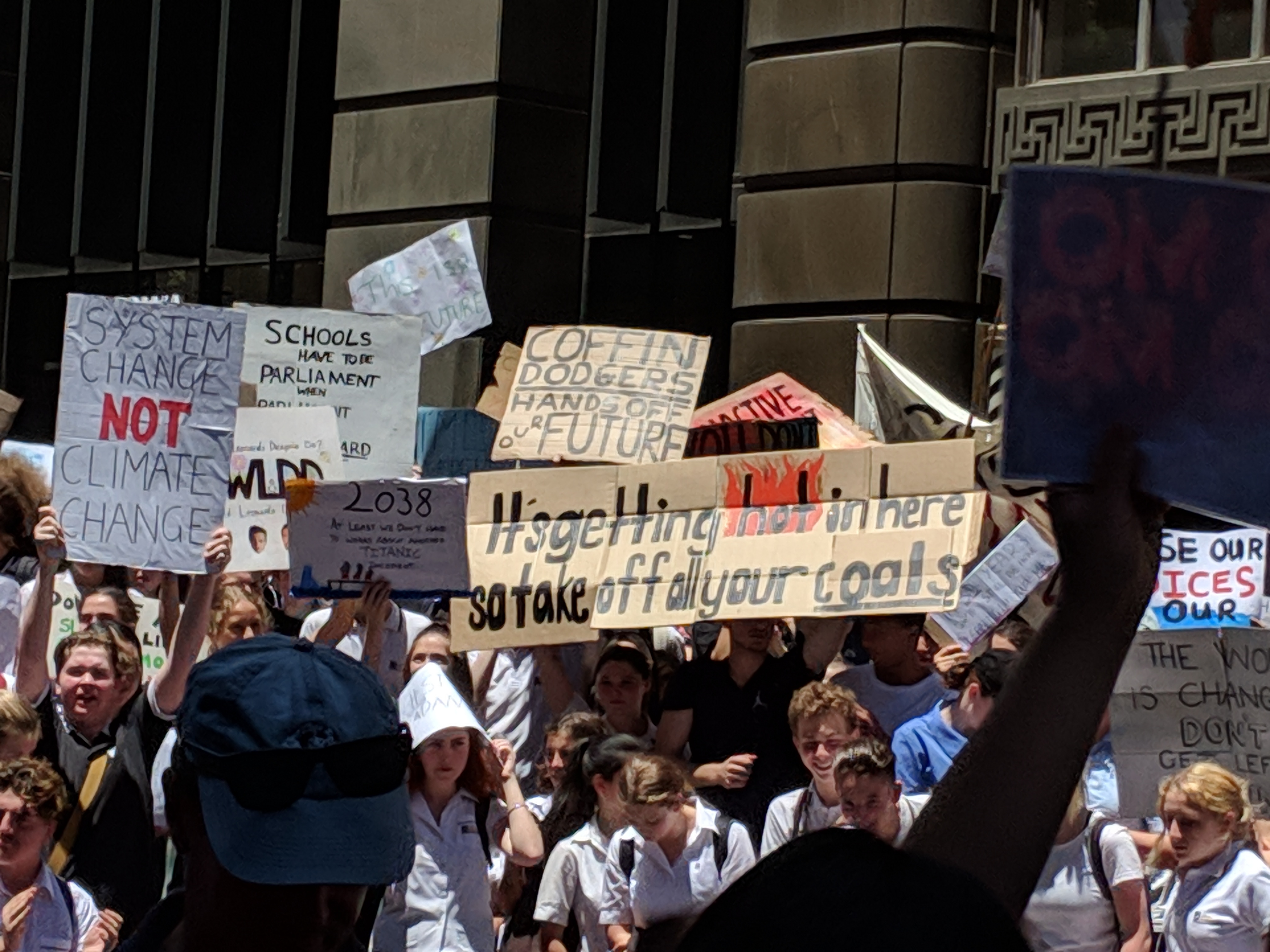
I took part in the Truro School Strike 4 Climate on Friday 15th February 2019 (images below). As we approached the group of students I felt an overwhelming sense of pride that my generation are making an active effort to stand up for our futures together. I personally believe we (the youth of today) are important because we lack strong political, social and economic agendas and that we should be able to be actively involved in policymaking.